 (+035) 527-1710-70
 NEWSLETTER

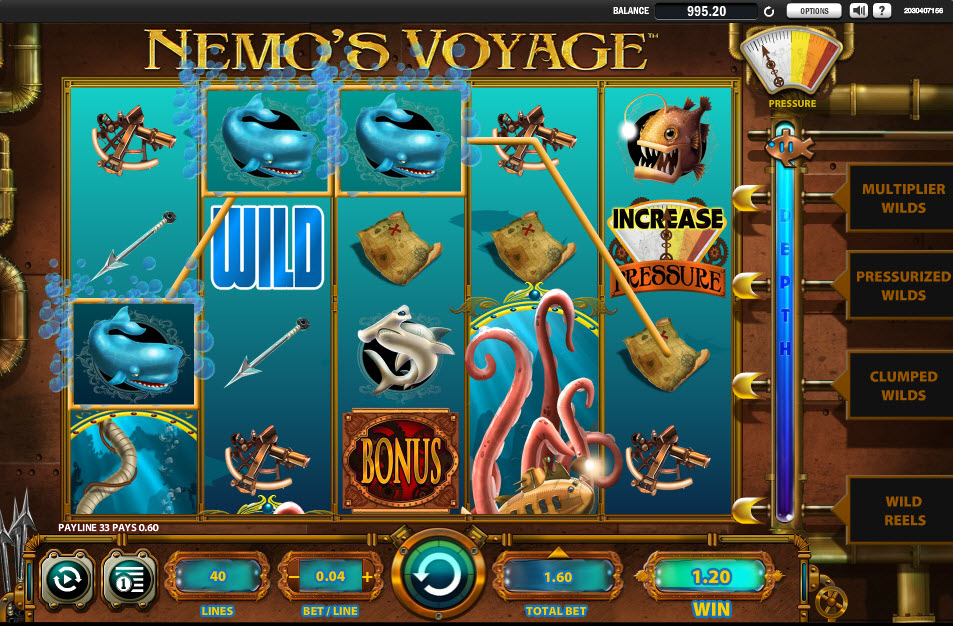
Hitting a big win on the 40 Super Hot slot delivers a unique kind of thrill, the classic fruit machine excitement dialled up to ten. But what happens after the celebration? For players in the United Kingdom, the financial rules that follow a payout are often a source of confusion. This article outlines the tax situation for winnings from games like 40 Super Hot. We will look at the straightforward rule that covers most players, explore the rare exceptions that can trigger a tax bill, and recommend some practical steps for managing a windfall. Grasping this lets you focus on enjoying your success, without any nasty financial surprises later on.
Understanding the Main Principle: Tax-Free Prizes
For the personal gambler in the UK, the main rule is clear and settled. Money you win from gambling is free of UK Income Tax or Capital Gains Tax. Her Majesty’s Revenue and Customs (HMRC) enforces this rule to all gambling, from the National Lottery and horse racing to casino table games and online slots like 40 Super Hot. HMRC’s position is that gambling is not a profession or a profession; it’s an activity based on chance. The profits are not treated as taxable income. So if you hit a £100 line win or a £100,000 jackpot on 40 Super Hot, the whole amount is yours. No part of it has to be handed over to the taxman because you won it. This approach makes the financial outcome crystal clear for most people.
Impact on State Benefits and Other Finances
A major win from 40 Super Hot might be exempt from tax, but it can still change your financial landscape by impacting means-tested state benefits. Benefits like Universal Credit, Income Support, and Housing Benefit have rigid capital limits. If your win brings your total savings above £6,000, your benefit payments will start to shrink. If your total capital goes over £16,000, you typically lose entitlement to most means-tested benefits altogether. For benefit calculations, the lump-sum win is regarded as capital, not income. Also, if you put that money into a savings account, the interest it earns is taxable under normal Personal Savings Allowance rules. The win is passive, but the income it later creates is not.
Which person is Considered a Full-time Gambler by HMRC?
The big exception to the tax-free rule takes effect only if HMRC decides someone is a professional gambler https://40superhot.uk/. This isn’t a label you can pick for yourself. It’s a specific legal status founded upon whether HMRC considers your gambling equates to a “trade.” A trade suggests a methodical, organised activity carried out with the goal of making a profit, executed with a level of continuity. Simply participating often or with skill doesn’t necessarily create a trade. HMRC reviews the whole picture: is it run like a business with separate accounts and detailed records? Is the primary goal to earn a living from it? Someone playing 40 Super Hot for fun, even consistently and with good bankroll management, won’t surpass this line. The difference counts because income from a trade is taxable.
Critical Signals of a Gambling Trade
Specific concrete signs can cause HMRC to regard gambling as a trade. Operating through a limited company is a powerful signal. So is hiring staff or utilising advanced software systems created to secure a mathematical edge. Actively promoting your gambling services to others also suggests a commercial operation. The activity must include more than just making bets; it usually needs to cover offering a service or capitalising on a market in a professional way. A legal case from 2001, *Graham v. Green*, still sets an important precedent. It determined that betting on horses was not a trade because of the underlying uncertainty involved. This reasoning often safeguards skilled poker or advantage players, but HMRC examines every situation individually. They have to demonstrate a trade exists.
The “Badges of Trade” Structure
To appraise any profit-seeking activity, HMRC uses a classic set of criteria known as the “badges of trade.” When implemented to gambling, officials examine things like the frequency and volume of transactions. Are they so high they look like day-trading? They also evaluate if assets are being modified for resale (which doesn’t pertain to slot play) and the provenance of finance. Using borrowed money to support gambling could indicate a commercial motive. For a slot enthusiast, playing 40 Super Hot constantly with a big dedicated bankroll and a rigid strategy might capture attention. But without other trademarks of a business, it probably stays a hobby. Pure slot play, with no tangible product or service offered to others, makes it difficult for HMRC to contend it’s a trade.
Tax Responsibilities for Pro Gamblers
If HMRC makes a successful case that someone is operating as a professional gambler, the tax picture changes completely. All profits from gambling are liable for Income Tax as trading income. The individual must enroll in Self-Assessment, submit an annual tax return, and report their gross gambling profits. They can then offset allowable business expenses incurred “wholly and exclusively” for the trade. These could include a proportion of internet costs, fees for data analysis tools, travel to specific gambling events, or accountant’s fees. The money staked is not an expense. Tax is computed on the net profit (total winnings minus total losses) for the tax year. This profit is then taxed at the standard Income Tax rates: Basic, Higher, and Additional Rate.
Documentation and Wealth Strategy for Victors
Good financial management starts with documenting everything. Even when you only play for fun, it’s prudent to record your deposits, cashouts, and any significant wins. Take a screenshot of that massive 40 Super Hot jackpot screen. Store the email confirmation from the casino for your withdrawal. Keep bank statements showing the deposit from the casino into your account. This documentation trail is incredibly useful if your bank has queries under AML rules, or if HMRC ever queries your status. Upon receiving a large sum, think about getting professional financial guidance. A professional can assist you consider possibilities for investing the money in a tax-smart way, and demonstrate how to protect your financial well-being without affecting any entitlements you count on.
The position of betting operators and tax withholding

UK-licensed gambling operators, including every online casino that hosts 40 Super Hot, have no role in taking tax from your winnings. They do not retain any money for HMRC. The size of the win is irrelevant. This system is distinct from places like the United States, where withholding tax on large prizes are common. The operator’s own tax duty is to pay Gambling Duty on their gross gaming yield, which is their revenue after paying out winnings. Your tax liability, if one exists, is strictly a matter between you and HMRC. As a player, you can be assured that a jackpot showing in your casino account is the full amount you will receive.
Announcing Large Wins: Legal Obligations
You have no statutory duty to report a large slot win directly to HMRC for tax motives. The winnings themselves are not taxable. Other rules are in operation, though. Under Anti-Money Laundering (AML) regulations, the casino must carry out enhanced checks on substantial payouts. They may ask you to prove where your original gambling funds came originally. Additionally, your bank is required to report suspicious or unusually large deposits to the UK Financial Intelligence Unit. This isn’t a tax return, but it’s a key part of the country’s financial monitoring. If you deposit a big win, be ready to explain it to your bank. A payment confirmation from the casino is enough.
Worldwide Considerations for UK Players
Your UK tax residency governs how your gambling winnings are handled. If you are a UK tax resident, your gambling wins from anywhere in the world are tax-free in the UK. Alternatively, if you are not a UK resident but you play on a UK-licensed site offering 40 Super Hot, you also won’t owe UK tax on those winnings. Things get more complicated for UK residents who gamble abroad, either online or in a physical casino. Some countries do impose taxes on winnings for non-residents. The United States, for example, withholds tax on certain casino wins. It’s your job to know the local laws where you are playing. You might have to pay foreign tax on those winnings, though double taxation agreements could provide some benefit. This is an area where talking to a tax specialist is advisable.
FAQ
Do I pay tax on a £50,000 jackpot win from 40 Super Hot in the UK?
Not at all. For nearly all casual players, all slot winnings, such as life-changing jackpots, are totally free of UK Income Tax and Capital Gains Tax. You receive the entire £50,000. The licensed casino will give you the full amount without any deductions. This applies for any win, major or minor, as long as HMRC does not treat your gambling as a professional trade.
Would playing 40 Super Hot every day make me a professional gambler?
Playing daily is not adequate on its own. HMRC’s test is whether your activities form a “trade.” That demands a high level of organisation and a profit motive akin to running a business, often incorporating a service element. Casual play every day, regardless of a personal strategy, is still just a hobby. HMRC would need to show you were running a organised, commercial operation.
What actions should I take immediately after a big online slot win?
To begin with, verify the win is correctly shown in your casino account and receive a confirmation. Inform your bank a large deposit is coming, as they will likely run checks. Don’t make any rushed spending decisions. Seriously consider booking an appointment with an independent financial adviser. They can assist you in planning what to do with the money, outline the tax rules on any investments you make, and suggest on how it might affect benefits.
Does a big win impact my Universal Credit payments?
Yes, it very likely will. Universal Credit relies on your means. A win is counted as part of your savings or capital. If your total capital exceeds £6,000, your UC payment reduces. If it goes above £16,000, you typically stop being eligible for UC. You must report this change in your capital to the Department for Work and Pensions straight away. Not doing so can lead to overpayments that you’ll have to pay back, and potentially penalties.
If I use a gambling system or strategy, does that make my winnings taxable?
No, not inherently. Using a personal betting system or managing your funds with discipline does not establish a taxable trade. HMRC’s definition demands proof of organized, commercial activity that looks like a business. Plenty of knowledgeable gamblers use strategies without being treated as traders. The bar is high, focusing on the commercial nature of the whole operation, not just the techniques used for placing bets.


